What is commoning mobility
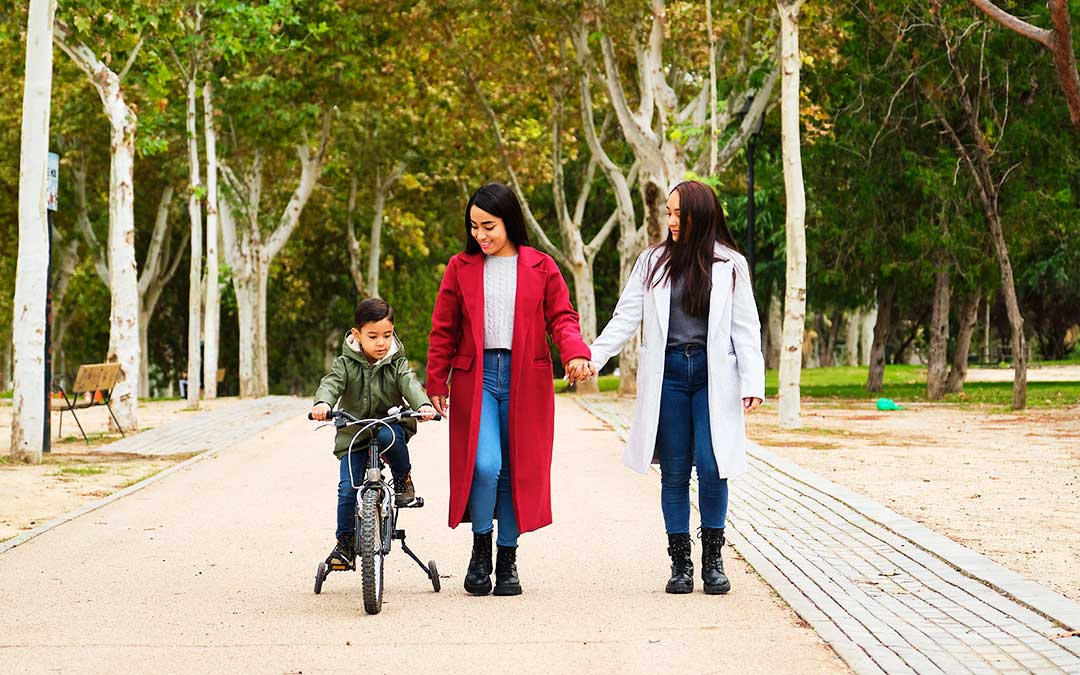
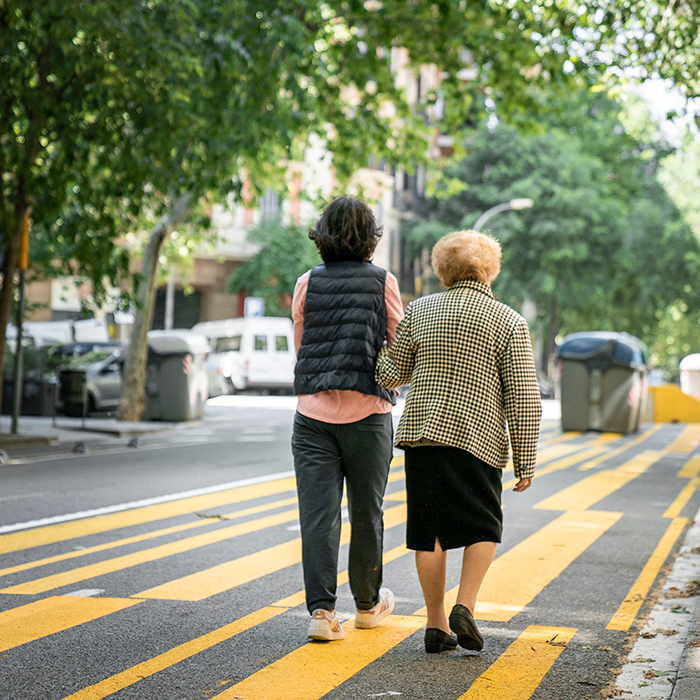
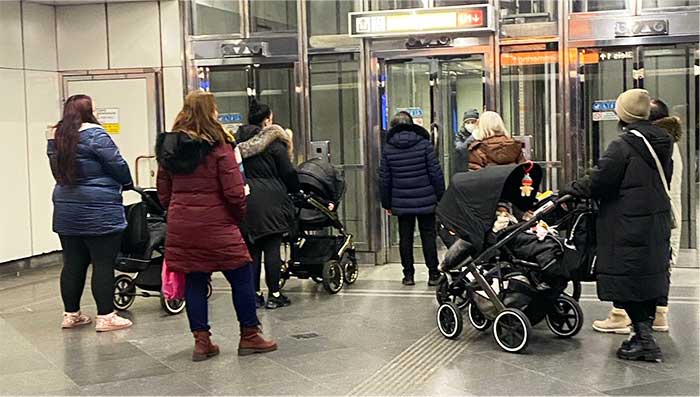
Moving around is something we do together. Our trips depend on other people and on shared resources (e.g. streets, vehicles, schedules), practices (e.g. caring for others) and meanings (identities and ideas linked to different mobility practices). How, when and whether we move is shaped by the people around us and by the way the built environment is organised.
In turn, our movements affect other people’s time, safety and well-being, speed of movement, social interactions and so forth. In this sense, mobility is not just a private choice or a personal journey. It is shared, a kind of “commons” that we continually make and remake through our everyday practices and political decisions.

This way of thinking challenges the dominant view of mobility as a technical issue focused on speed, efficiency and economic growth. Instead, commoning mobility approach asks whose needs, bodies and experiences are centred or ignored when built environments are planned. It invites us to recognise the many meanings that mobility has in people’s lives—caring for others, participating in community, accessing services, finding rest or pleasure—and to design more collaborative and inclusive ways of organising transport and public space.