Intersectional gender-sensitive planning
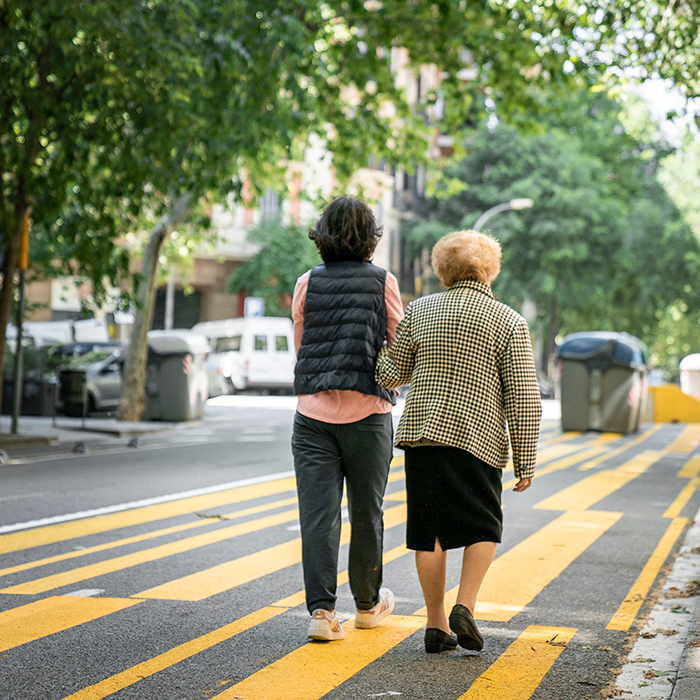
Intersectional gender-sensitive mobility planning starts from the idea that how we move through the city is shaped by gender in interaction with other dimensions of who we are, such as income, disability, ethnic, racial and religious background, caste, age or sexuality.
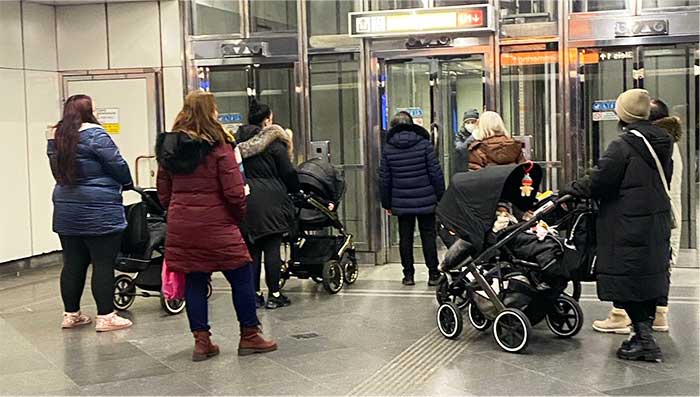
Around the world, women take more complicated trips, depend more on public transport and walking, and often change or cancel journeys to avoid harassment or unsafe situations. The issue of harassment also significantly affects LGBTQIA+ individuals. Many journeys are not possible in cities due to lack of access for people with disabilities. Safely enjoying being outside, hanging around in public space is not a given for multiple groups.
Planning plays an important role in this, as mobility infrastructure and services often work well for some groups, while excluding others or making their journeys more difficult, longer, more dangerous, expensive or even impossible.
An intersectional gender-sensitive approach asks whose needs and experiences are currently ignored, and works to envision streets, services and policies that make moving around and dwelling easier, safer and more dignified for everyone.